Why Retainers After Braces Are Non-Negotiable for a Lasting Smile
Finishing active orthodontic treatment feels like a major milestone. You have waited months or even years to see your final result, and when the braces finally come off, there is a real sense of achievement. But here is the part that surprises many patients: the work is not over. In fact, in some ways, the next phase is just as important as the treatment itself. That is where retainers after braces come into the picture, and understanding why they matter can save you from watching your teeth drift back into their old positions.
What Happens When Braces Come Off
Teeth are held in place by a complex network of fibres called the periodontal ligament. This ligament is not rigid. It is elastic and responds to pressure, which is exactly what makes orthodontic movement possible. During treatment, braces apply gentle, sustained force that remodels the bone around each tooth root. But that new bone is soft and immature for a while. It needs time to stabilise. Without some form of retention, your teeth will naturally try to return to their original positions, a phenomenon known as relapse.
Relapse is not a sign that your treatment failed. It is a normal biological response. The gums and bone need time to reorganise, and the soft tissues around your teeth can exert enough pressure to shift them back. This is why every responsible orthodontist will emphasise the need for retainers after braces. At Scottish Orthodontics, the advice given to patients is clear: retention is not optional if you want to keep your new smile. In fact, the phrase "retainers after braces Scottish Orthodontics" is something you will hear often in our clinics, because it reflects a core part of our treatment philosophy.
Types of Retainers and How They Work
There are two main types of retainers: fixed and removable. Each has its own strengths and trade-offs, and the right choice depends on your individual case.
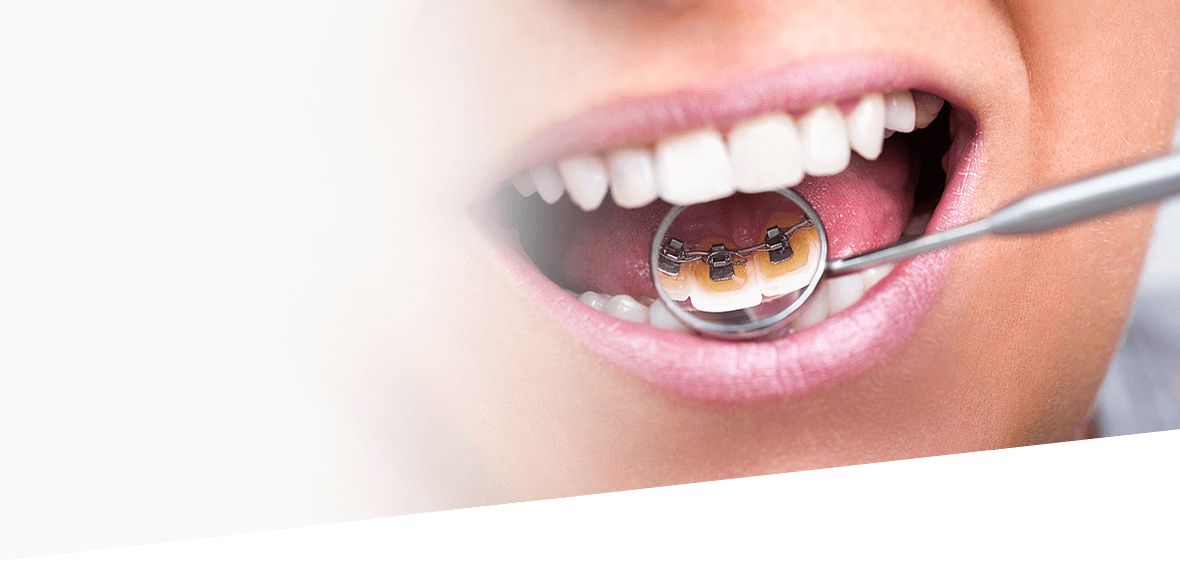
- Fixed (bonded) retainers: A thin wire is glued to the back of your front teeth, usually from canine to canine. It stays in place permanently and is virtually invisible from the front. It does not require any compliance once fitted, which makes it a reliable option for preventing relapse in the lower or upper anterior region.
- Removable retainers (Essix or Hawley): These are clear plastic appliances that you wear over your teeth, typically at night. They are easy to keep clean and can be adjusted if needed. The downside is that they rely on you remembering to wear them every night, and they can break or get lost over time.
Some patients benefit from a combination of both. For example, a bonded retainer on the lower front teeth plus a removable retainer for the upper arch. The key point is that whatever type you choose, consistency matters more than the specific design. Missing just a few nights of wear can allow enough movement to be noticeable.
How Long Do You Need to Wear Retainers?
This is one of the most common questions we hear. The short answer is that for most people, some form of retention is needed indefinitely. The bone and ligament never fully forget their original positions. Even years after treatment, stopping retainer wear can lead to gradual shifting. Many orthodontists now recommend lifelong retention, especially for the lower front teeth, which are most prone to crowding as you age.
That does not mean you have to wear a bulky retainer 24 hours a day forever. After the first year of full-time wear, many patients can switch to night-only wear. But if you stop completely, you risk losing the alignment you worked so hard to achieve. At Scottish Orthodontics, we encourage patients to view retention as a long-term commitment, much like brushing and flossing. The phrase "retainers after braces Scottish Orthodontics" is not just a piece of advice. It is a reminder that the final step of your orthodontic journey is also the beginning of a maintenance phase that protects your investment.
Common Problems and How to Avoid Them
Retainers can cause some minor issues, but most are manageable with good habits.
- Plaque buildup: Bonded retainers make flossing a bit trickier. You need to use a floss threader or an interdental brush to get underneath the wire. If you skip this, you risk gum inflammation and decalcification around the glue.
- Breakage: Removable retainers can crack or warp if exposed to heat. Keep them away from hot water and direct sunlight. Bonded wires can come loose if you chew hard or crunchy foods. If you notice any looseness, see your orthodontist promptly.
- Discomfort: When you first start wearing a retainer, it may feel tight or cause some soreness. That is normal and usually fades within a week. If the discomfort persists, the retainer may need adjustment.
One practical tip: always carry your retainer case with you if you eat out. It is easy to wrap a removable retainer in a napkin and accidentally throw it away. Replacing a lost retainer costs time and money, and in the meantime, your teeth can shift.
Why Scottish Orthodontics Emphasises Retention
Our team sees patients every week who completed treatment elsewhere and stopped wearing their retainers. They come back hoping for a quick fix, but often the relapse is significant enough to require a new course of braces or aligners. That is disheartening for everyone involved. We want to prevent that from happening to you. That is why the message "retainers after braces Scottish Orthodontics" is woven into every treatment plan we create. It is not a sales pitch. It is clinical common sense backed by decades of evidence.
Retention also gives us a chance to monitor your oral health. During your check-up visits, we can spot early signs of decay or gum disease that might otherwise go unnoticed. Those regular appointments are a safety net for your smile.
Retainers and Adult Orthodontics
Adults who undergo orthodontic treatment often have different concerns than younger patients. For example, adults may be more worried about the appearance of a visible retainer wire. Fortunately, modern bonded retainers are very discreet. Some adults also experience gum recession or bone loss, which can affect how a retainer is designed. At Scottish Orthodontics, we take a personalised approach. We assess your periodontal health before deciding on the best retention strategy for you.
Another factor for adults is compliance. Life gets busy, and it can be easy to forget to wear a removable retainer. If you know you are likely to skip nights, a bonded retainer may be a better investment. On the other hand, if you travel frequently or have a sensitive gag reflex, a removable retainer might suit you better. There is no universal right answer, only the right answer for your lifestyle and dental health.
Retainers and Children
For younger patients, the challenge is often around responsibility. A child or teenager may not always remember to pop their retainer in at night, and they might be rough with the appliance. Parents play a crucial role here. Setting a nightly routine from day one helps a lot. It can also be useful to keep a spare retainer on hand if the original gets lost, though that is an extra cost. The most important thing is to keep the conversation positive. Frame retainer wear as a way to keep that new smile, not as a chore.

Final Thoughts
Your smile after braces is the result of real effort and patience. Retainers are the tool that protects that result. Whether you choose a bonded wire, a clear tray, or both, what matters is that you wear it as directed and attend your follow-up appointments. The team at Scottish Orthodontics is here to support you through that process. If you ever have questions about your retainers or notice any changes in your bite, do not wait. A small adjustment now can prevent a bigger problem later.
Remember, the phrase "retainers after braces Scottish Orthodontics" sums up an essential truth: your orthodontic journey does not end when the braces come off. It continues with a commitment to retention that keeps your teeth where they belong.
 Facebook
 Instagram